Jump to:
Landscape design is the practice of planning outdoor space so that plants, hardscaping, and functional areas work together as one cohesive system rather than a collection of separate additions. It combines horticultural knowledge with basic design principles, balance, proportion, and focal points, to create a yard that looks intentional and serves how a homeowner actually lives.
What to Know About Landscape Design
- Landscape design blends two categories of elements, softscape (plants, lawns, trees) and hardscape (patios, walkways, walls), into a single plan.
- A well-designed yard is built around function first: how people will entertain, move through the space, gain privacy, or let kids play.
- Core design principles, balance, proportion, and focal points, guide how elements are arranged so the space feels cohesive rather than random.
- Professional landscape designers consider a property’s existing conditions, sun exposure, drainage, soil, and Capital Region climate, before recommending a layout.
For Capital Region homeowners, good landscape design means a property that holds up through upstate New York’s seasons while giving families a place to entertain, relax, and move through comfortably. This guide will cover what landscape design is, how it differs from general landscaping, and what to expect when working with a landscape designer.
What Is Landscape Design, Exactly?
Landscape design is the deliberate planning of an outdoor space’s layout, plantings, and structures to meet both aesthetic and practical goals. Rather than adding a patio here or a flower bed there over time, a landscape designer looks at the property as a whole and maps out how every element, plants, pathways, seating areas, lighting, relates to the others. The result and benefits of well-planned landscape design is a yard where the driveway leads naturally to the front door, the patio connects to the kitchen, and the planting beds frame the house instead of competing with it.
This differs from landscaping services in general, which can refer to any maintenance or installation work. Design specifically refers to the planning phase, the blueprint that determines what gets installed and where, and why.
Softscape vs. Hardscape Elements in Landscape Design
Every landscape design plan is built from two categories of elements working together, which are softscape and hardscape. Here’s what each of these elements bring to landscape design:
- Softscape: Softscape refers to the living, growing parts of a landscape: lawns, trees, shrubs, perennials, and groundcover. These elements change with the seasons and require ongoing care, which is part of why Capital Region designs need to account for our winters and the plants that reliably survive them.
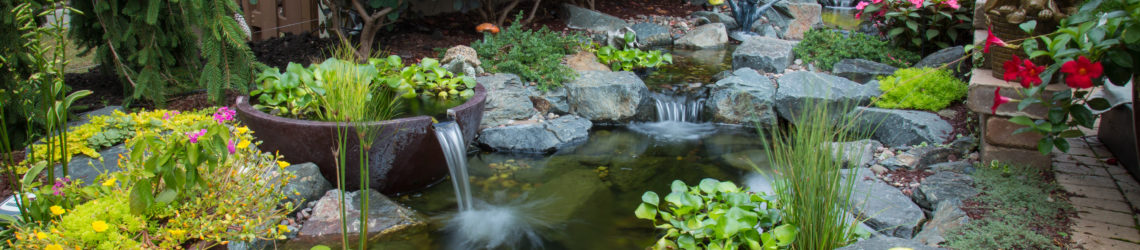
- Hardscape: Hardscape refers to the built, non-living elements: patios, water features, walkways, retaining walls, fences. Hardscaping provides structure and usable square footage in a yard, and it’s typically installed once and lasts for years.
A balanced landscape design layers softscape and hardscape so neither one dominates. A patio without any surrounding plantings can feel stark, while an all-planting yard without hardscaping elements often lacks a clear place to sit, gather, or walk.
Why Does a Home Need a Landscape Design Plan?
A yard needs a design plan because outdoor spaces serve multiple, sometimes competing purposes, and without a plan those purposes tend to work against each other instead of together. A well-thought-out landscaping design maps out how each part of the property will function before anything gets installed, such as:
- Entertaining
- Circulation
- Privacy
- Play
Entertaining
Summer outdoor entertaining areas need enough available square footage for seating and cooking, positioned where they connect naturally to the house and get usable sun or shade. What a landscaping design plan that’s well thought out does, is account for traffic flow so guests aren’t walking through planting beds to reach a patio or fire pit.
Circulation
Circulation refers to how people move through a yard, from the driveway to the front door, from the back door to the garden, from the patio to the play area. Pathways and sightlines should guide movement intuitively rather than forcing people to cut across lawns or squeeze between plantings.
Privacy
Landscape privacy ideas can involve fencing, strategically placed trees and shrubs, or a combination of both. A design plan identifies where a property is most exposed, to neighbors, the street, or a rear property line, and addresses it with the right mix of softscape and hardscape. A fence installation is often paired with plantings for a layered privacy solution.
Play
Families with kids need open, durable lawn space that’s separated from delicate plantings or hardscape edges. Designing a dedicated play area upfront prevents the wear and tear that happens when play space and garden space overlap.
What Are the Basic Principles of Landscape Design?
What landscape design relies on is a handful of core principles that determine whether a space feels intentional or haphazard. These design principles apply whether a yard is a quarter acre in Colonie or a sprawling property in Saratoga Springs:
- Balance
- Proportion
- Focal Points
- Unity
Balance
Balance means distributing visual weight evenly across a space, whether that’s symmetrical, matching plantings on either side of a walkway, or asymmetrical, a large tree offset by a grouping of smaller shrubs. Without balanced landscape design, a yard can feel lopsided even if every individual element looks good on its own.
Proportion
Proportion is about sizing elements appropriately relative to the house and the yard itself. A massive water feature can overwhelm a small backyard, while an undersized patio can feel cramped for a large property meant to host gatherings. Understanding good proportions in landscape design keeps every element feeling like it belongs.
Focal Points
A focal point in landscape design draws the eye and gives a space a sense of purpose, a specimen tree, a water feature, a fire pit, or a well-placed sculpture. Most well-designed yards have one or two clear focal points per area rather than a dozen competing for attention. Low voltage landscape lighting, for example, also plays a role here because a thoughtfully lit focal point stays visible after dark.
New to low voltage lighting? Learn more in our guide: What is Low Voltage Landscape Lighting
Unity
Unity ties every other principle together by making sure plant choices, materials, and colors repeat and relate to one another throughout the property, rather than looking like a different style was used in every section.
What to Expect When Working With a Landscape Designer
A landscape designer typically starts with a site visit to assess sun exposure, drainage, soil conditions, and existing structures before discussing goals like entertaining space, privacy, or play areas. From there, they develop a plan that sequences softscape and hardscape installation, sometimes phased over a season or more, and factors in Capital Region conditions like winter dieback and irrigation needs.
Bringing Thoughtful Design to Capital Region Yards
A well-designed landscape does more than look good, it works for how a family actually uses their property, season after season. NVS Landscapes has helped homeowners throughout Albany, Saratoga, and Schenectady counties turn overlooked yards into spaces built around real function: entertaining, privacy, play, and everyday circulation. If you’re ready to start planning, contact our team, or fill out our project planner to discuss your project!
FAQs About What Landscape Design Is
Landscape design covers a range of common questions homeowners ask before starting a project. Here are answers to a few of the most frequent ones.
What is the meaning of landscape design?
Landscape design means the intentional planning of an outdoor space’s layout, plantings, and structures to meet both functional and aesthetic goals. It’s the blueprint phase that determines what gets built and planted, and where, before any installation begins.
What are the 5 basic elements of landscape design?
The five basic elements of landscape design are typically considered to be line, form, color, texture, and scale. These elements describe how plants, pathways, and structures are shaped and arranged, and they work alongside principles like balance, proportion, and focal points to create a cohesive design.
What are the 4 types of landscapes?
The four general types of landscapes are typically categorized as formal, informal, ecological, and functional, each reflecting a different design approach. A formal landscape uses symmetry and structure, an informal landscape favors natural, flowing lines, an ecological landscape prioritizes native plants and sustainability, and a functional landscape is built primarily around how the space will be used.